suzannewellington's pick · Updated September 2026
Human Compatible: Artificial Intelligence and the Problem of Control
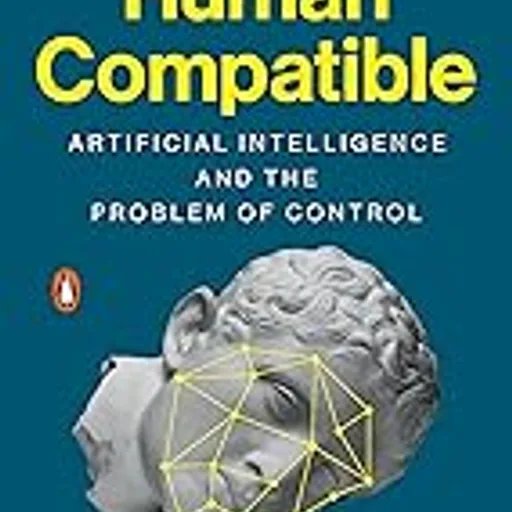

Human Compatible is for readers who want a serious, accessible look at artificial intelligence without needing a technical background first. It may also suit people who are thinking about the long-term social and ethical stakes of AI, not just the next product release or software trend. If the title has come up because you want a book that frames AI as a control problem, this is the kind of book that can help you decide whether that lens matches what you are looking for.
The main reason to consider it is the topic itself. A book with this subject matter can be useful if you want a clear argument about why advanced AI raises control questions, what those questions might mean in practice, and why the debate is not just about faster machines. Readers who like public-facing nonfiction on science, technology, and policy may find the premise compelling because it invites bigger questions than a typical AI overview.
One thing to verify is how technical you want the treatment to be. Some readers will want a conceptual argument that stays readable, while others may be looking for more formal detail, mathematical grounding, or a deeper dive into current research. It is worth checking the table of contents, sample pages, or a few reviews to make sure the level matches your expectation. That matters more here than with a lighter overview book, because the same topic can be handled in very different ways.
The evidence posture is simple: with no publisher usage notes here, this page should be treated as a fit guide rather than a claim of personal reading or evaluation. The title and subject line up with a well-known debate about AI alignment and control, but any judgment about clarity, depth, or balance should be confirmed from the book itself and from a few independent descriptions. That is the safest way to approach a nonfiction title like this when you are building a recommendation page from limited input.
In the end, this may fit readers who want a thoughtful entry point into the control problem around AI and who are comfortable with a book that is likely to lean more toward argument than hands-on instruction. It seems best suited to someone who wants to think carefully about the risks and governance questions around intelligent systems, and less suited to someone who only wants a quick primer on current tools. If that is the kind of perspective you want on your shelf, it is a reasonable candidate to keep on the shortlist.
Amazon product links on this guide are not currently affiliate links. Neither suzannewellington nor Buyer Field Guide earns an affiliate commission from them.
See current price